pk-china-user
 by Wang Kai
Pakistan’s economy is projected to witness stable growth this year, with real GDP expected to expand by 3.4%, supported by a strong rebound in industrial output and continued resilience in the services sector, according to the latest research by KTrade Securities.
Muhammad Faran Khan, Associate Director at KTrade Securities, noted that the positive outlook builds on the macroeconomic stabilization achieved in 2025. Inflation, once a persistent concern, eased significantly to 5.6% year-on-year by December 2025. Real GDP growth improved to 3.09% in FY2025, while monetary policy conditions were substantially relaxed, with the policy rate reduced from 21% to 10.5%.
Addressing Pakistan’s long-standing dependence on external financing, Faran observed that a weaker US dollar could provide relief by lowering debt servicing costs in rupee terms and reducing the burden of servicing Eurobonds, potentially opening space for early buybacks. A softer dollar would also reduce import costs—particularly energy imports such as oil—supporting the current account balance and helping contain inflation. Industries reliant on imported inputs, including pharmaceuticals, automobiles, and cement, are likely to benefit from improved margins.
Key sectors in focus
For international investors, several sectors are gaining attention. Moody’s recently revised Pakistan’s banking sector outlook to stable, citing gradual economic recovery and improvements in fiscal and external indicators.
The IT sector has recorded notable progress, with exports reaching $2.2 billion in the first half of FY2026. The industry is on track to achieve its $5 billion export target for FY2026, driven in part by expansion into the MENA (Middle East and North Africa) region.
According to KTrade Securities, the cement industry is positioned for recovery, supported by improving domestic demand, monetary easing, and a gradual revival in construction activity.
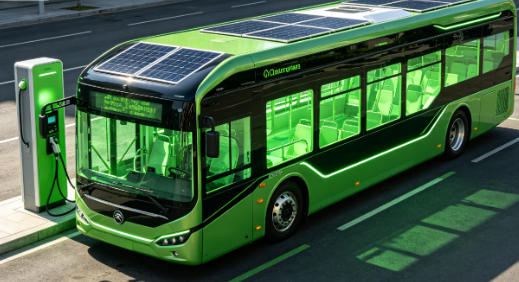
The automobile sector has also shown strong performance, with volumes rising 48% year-on-year during the first five months of FY2026. Increased localization of production, particularly through collaboration with Chinese partners, is expected to sustain growth in both volumes and earnings. Chinese new energy vehicle manufacturer BYD plans to launch its first locally produced vehicle in Pakistan by mid-2026, targeting growing regional demand for electric and plug-in hybrid vehicles.
Faran further highlighted that the second phase of the China-Pakistan Economic Corridor (CPEC) emphasizes private-sector, business-to-business cooperation, focusing on manufacturing, agriculture, technology transfer, and industrial zone development to promote more sustainable, productivity-led growth.
Moving toward export-led growth
While remittances have supported currency stability, Faran emphasized that long-term economic expansion must be export-driven.
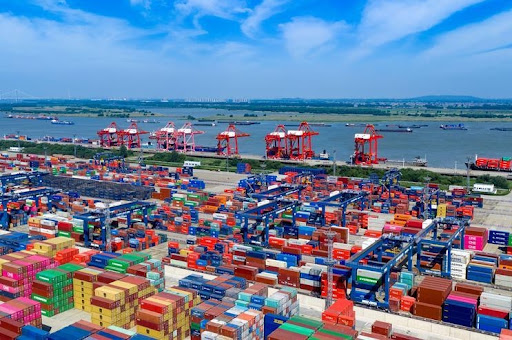
Pakistan’s monthly exports surpassed $3 billion for the first time in January, though significant challenges remain—particularly in the textile sector, which forms the backbone of the country’s exports.
Jehanzeb Mahmood, marketing advisor at Manzoor Textile, warned of potential tariff risks from the United States, noting that major exporters rely on the US market for nearly 80% of their orders. Any increase in US tariffs or reduction in orders from large American brands could significantly impact textile exports.
To mitigate risks, companies are diversifying into markets such as the EU, Middle East, Africa, and other regions, while improving operational efficiency and cost management to protect margins.
The All Pakistan Textile Mills Association (APTMA) has called on the government to urgently engage with the United States to secure preferential access for Pakistani textile products. Meanwhile, the SAARC Chamber of Commerce & Industry (SCCI) and the South Asian Federation of Accountants (SAFA) have cautioned that the US’s 19% reciprocal tariff is weakening competitiveness, disrupting export orders, and potentially reducing export volumes by 20–30%.