pk-china-user
 By Waseem Baloch
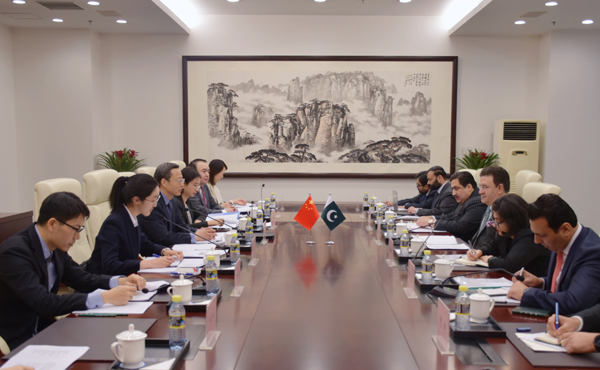
Pakistan has joined a China-led 15-nation international working group aimed at developing global technical standards for mural conservation, marking a significant step toward preserving its rich Mughal era and Gandharan era heritage.
The working group operates under the International Organization for Standardization Technical Committee on Cultural Heritage Conservation (ISO/TC 349) and was officially established on March 26, 2026. It is led by the Dunhuang Academy, with its director Su Bomin serving as convenor.
This initiative builds on a landmark ISO standard for classifying mural deterioration, developed by experts from 11 countries. The standard introduces a unified technical framework to identify and categorize different types of damage, including optical, chemical, and biological degradation, helping to address long-standing inconsistencies in global conservation practices.
The effort holds particular importance for Pakistan’s ongoing restoration work. The Walled City of Lahore Authority is currently in the final stages of restoring the Tomb of Anarkali, where fresco conservation is expected to be completed by June 2026.
Pakistan is home to a wide range of historic wall art, including ancient Buddhist paintings from the Gandhara region, Mughal and Sikh-era frescoes, and intricate tile and fresco work at the Lahore Fort and Shalamar Gardens—both recognized as UNESCO World Heritage Sites.
Adopting these ISO standards is expected to improve the scientific quality and consistency of restoration projects in Pakistan, ensuring that its cultural heritage is preserved in line with internationally recognized best practices.